

Over the last 5+ decades, many myths and urban legends have spread about Walt Disney World. Some are dark, others just bizarre, but all of them have one thing in common: They’re NOT true.
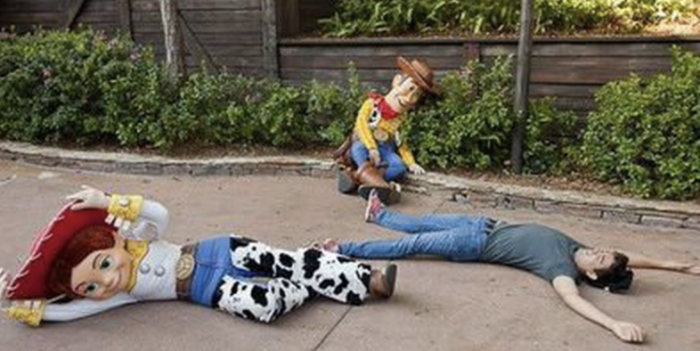
Alright, let’s get the BIG one out of the way first: No, Toy Story characters will NOT throw themselves on the floor and stay still if you say “Andy’s coming.” This was NEVER protocol, and while it may have happened on and off in the past, it has been explicitly stopped for Cast Members’ safety in the years since the images went viral. Now with that out of the way, let’s debunk some other Disney myths and urban legends.
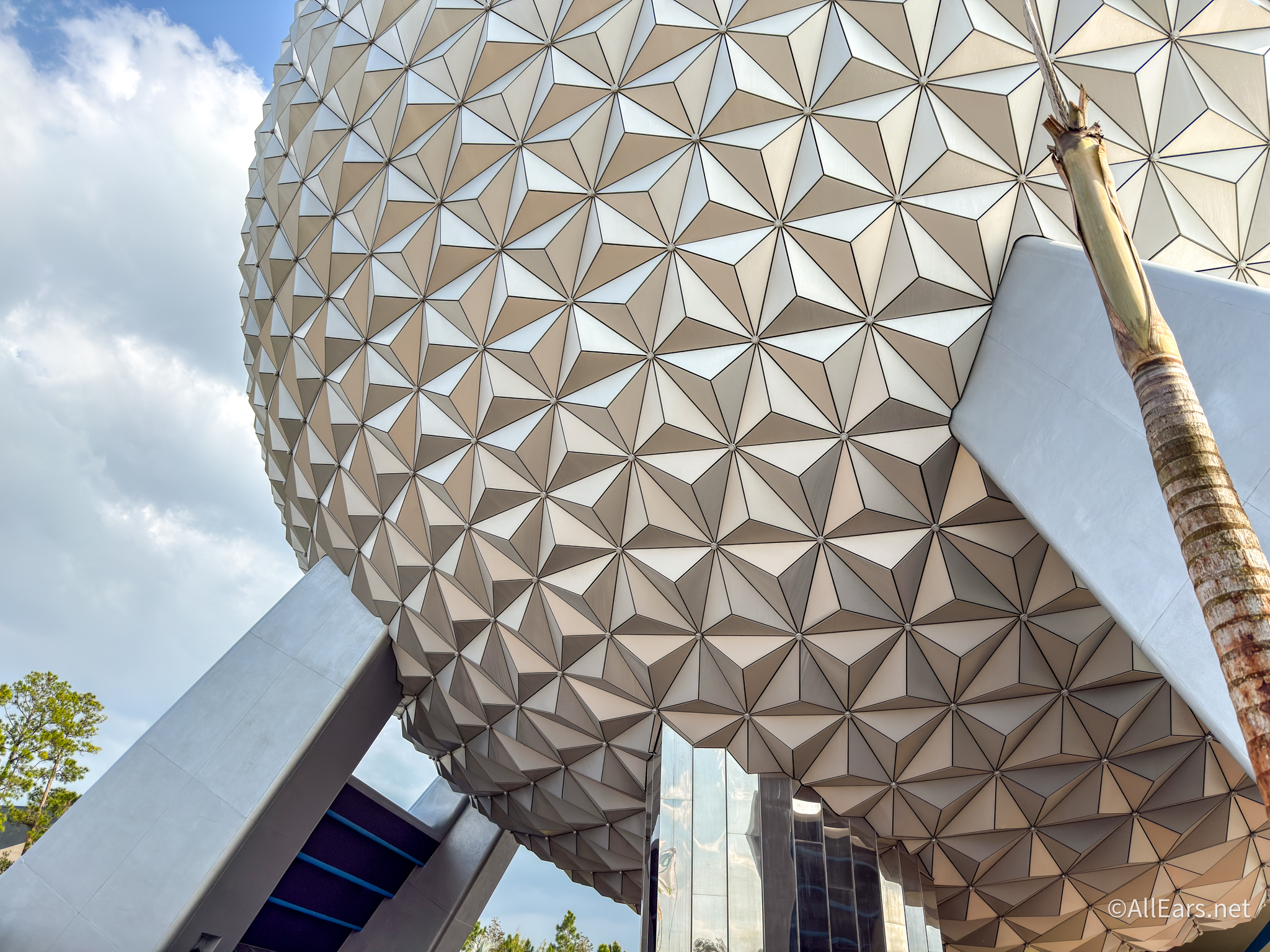
Walt Isn’t Frozen Under EPCOT… or Anywhere Else
Probably the most prevalent myth about Walt Disney is the belief that he was “frozen” just prior to his death, and was currently in stasis at one of Disney’s parks (often rumored to be EPCOT). According to PBS, the genesis of the rumor stemmed from an incident weeks after Disney’s death, when “a reporter for a tabloid newspaper called The National Spotlite claimed he had snuck into St. Joseph’s Hospital in Burbank, directly across the street from the Disney studios, and where he was treated during his final illness. As the story went, the reporter disguised himself as an orderly, broke into a storage room, and saw the deceased Disney suspended in a cryogenic metal cylinder!”
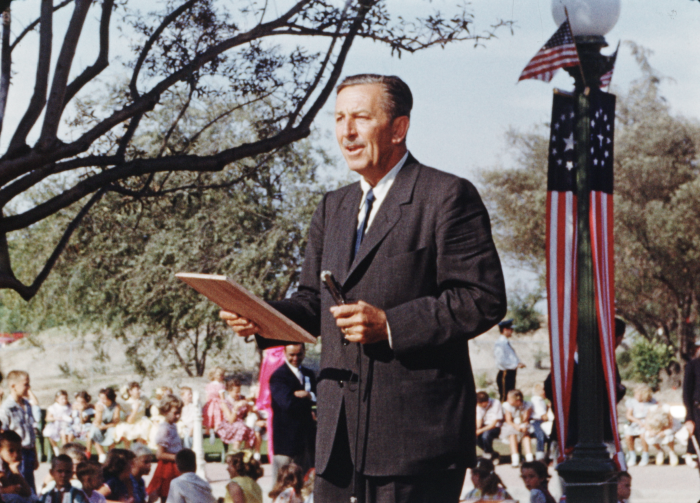
There is zero truth to this myth. Walt was cremated two days after his death, and his ashes were interred at the family mausoleum in the Forrest Lawn Cemetery of Glendale, California. Disney’s daughter Diane bluntly refuted the rumor in the early 1970s, saying, “There is absolutely no truth that my father, Walt Disney, wished to be frozen. I doubt that my father had ever heard of cryonics.”
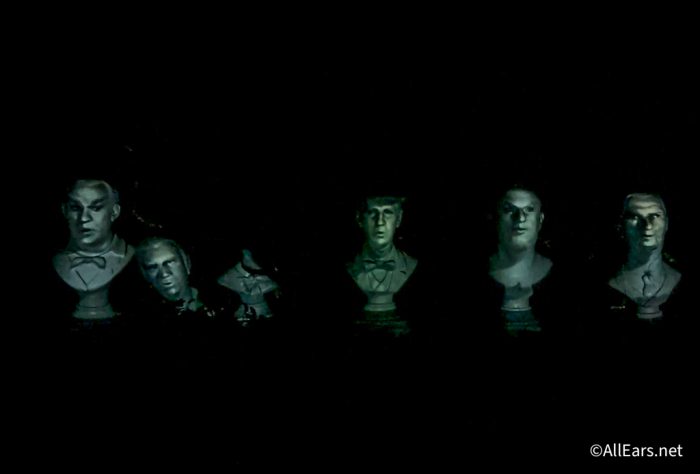
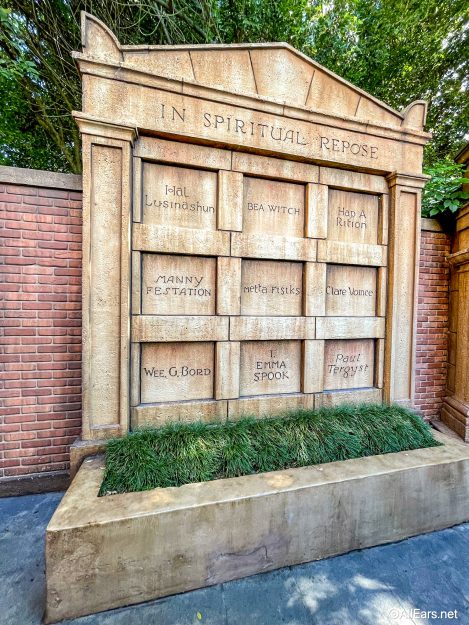
Walt Isn’t One of the Haunted Mansion Singing Busts
In addition to Walt not being frozen somewhere in EPCOT, his visage is also not featured as one of the singing busts in the graveyard of The Haunted Mansion. The ghostly face that looks reminiscent of Walt is actually Thurl Ravenscroft, the iconic voice actor behind many classic Disney attractions as well as Frosted Flakes mascot Tony the Tiger.
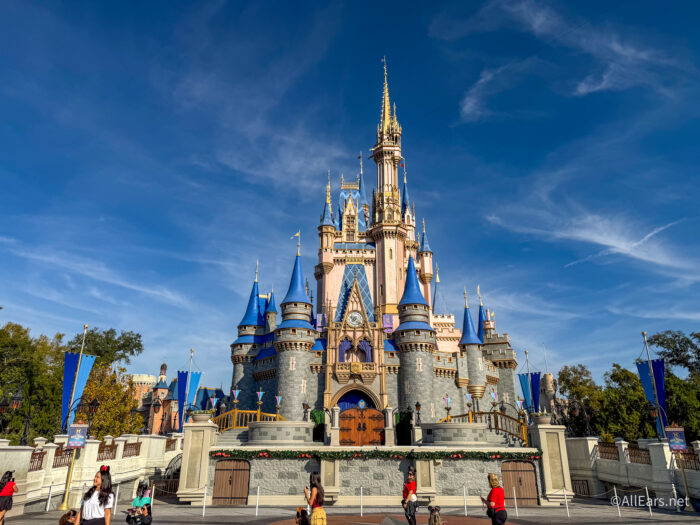
Cinderella Castle Can’t Be Deconstructed Before a Hurricane
While it is true that Walt Disney World has numerous procedures in place to batten down the hatches in the case of an oncoming hurricane, none involve disassembling Cinderella Castle into pieces.
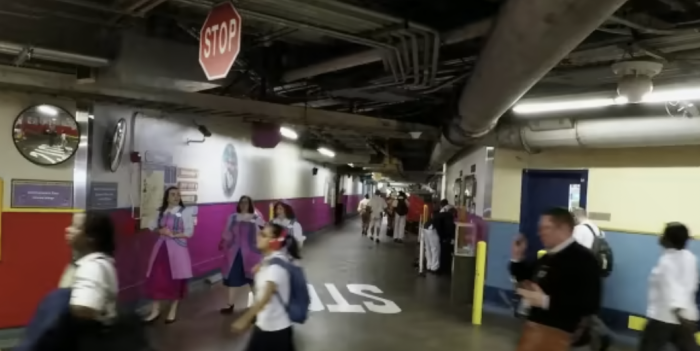
There Aren’t Massive Tunnels Under the Entire Property
While the Utilidors that run under the Magic Kingdom — or technically on the “ground floor” with the park built a story above them — there are not similar tunnel systems around the rest of Walt Disney World property. The closest would probably be EPCOT, where there are some isolated tunnels.
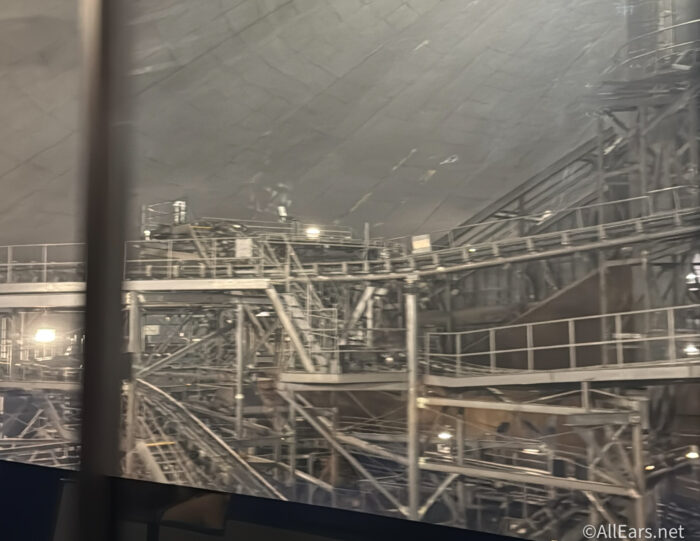
No One Was Decapitated on Space Mountain
There are several “dark” urban legends involving deaths at Disney World, with one claiming that a guest was once decapitated on Space Mountain when they didn’t clear a piece of track during a drop. There’s no truth to this, though it allegedly stems from an incident that happened with a dummy during testing.
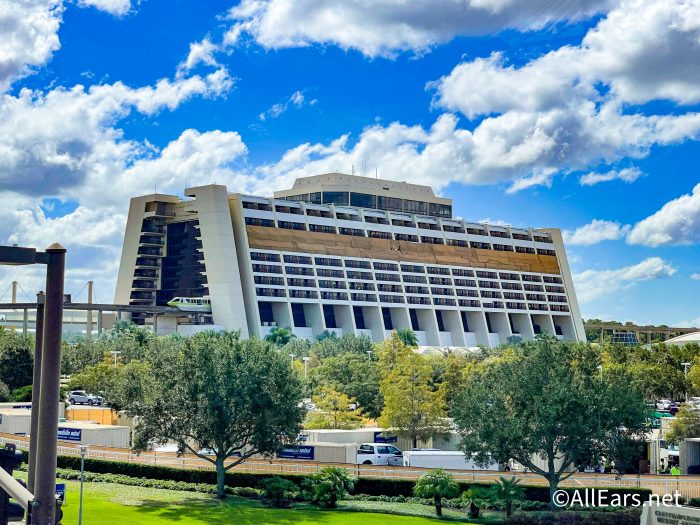
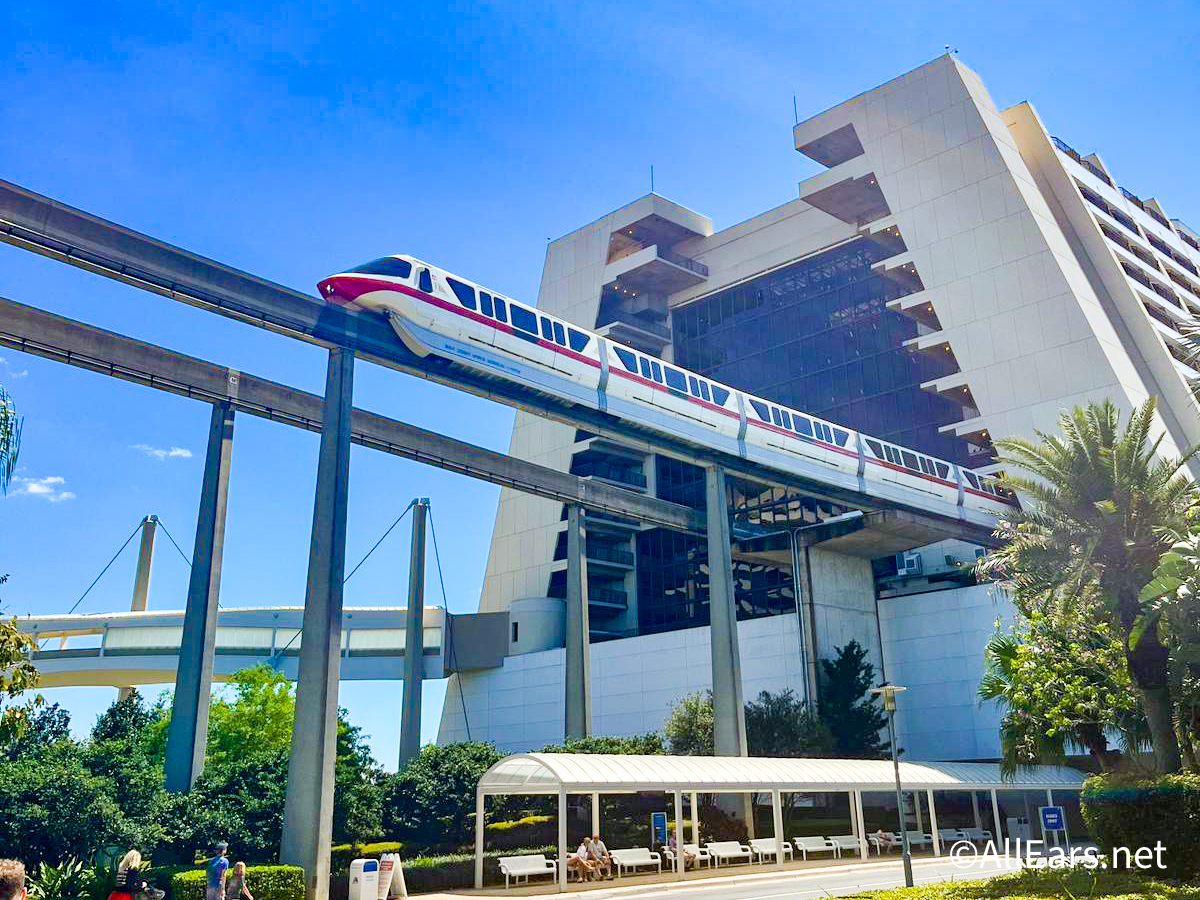
The Rooms at The Contemporary aren’t “Removable”
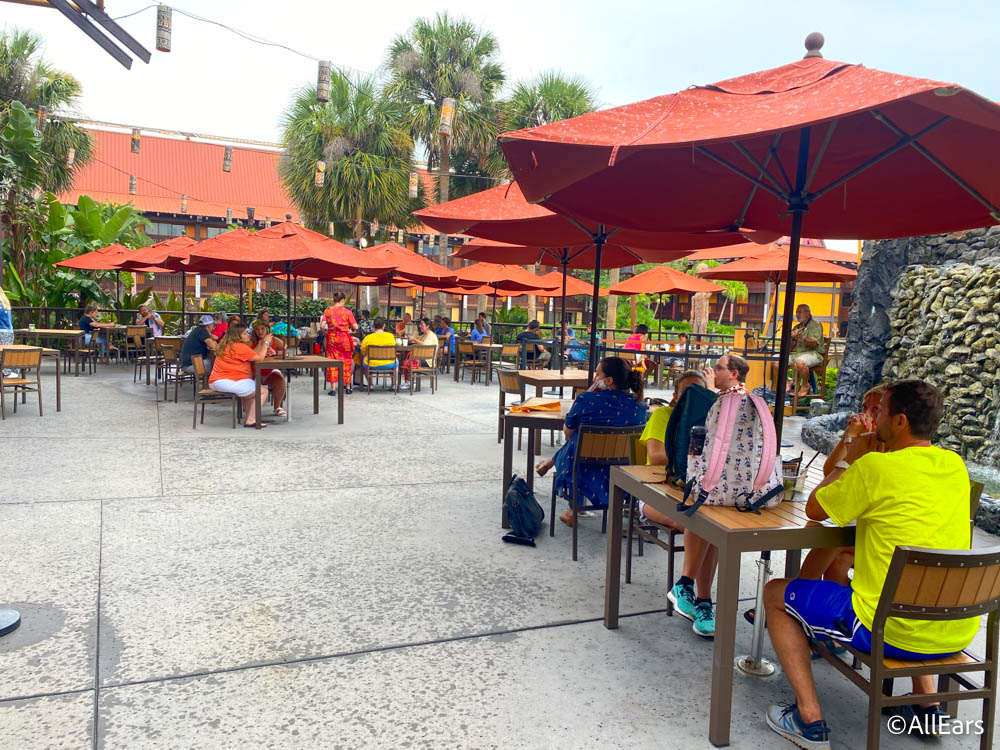
This longtime urban legend does stem from the reality of how the Contemporary – and the Polynesian – were constructed. Rooms for the hotel were prefabricated off-site – plumbing hookups and all – constructed to the site, and “slipped” into “slots” in the building’s A-frame superstructure with a giant crane. That led to the long-running tale that the rooms could be modernized simply by bringing a crane onto the site and simply “slipping” them out.
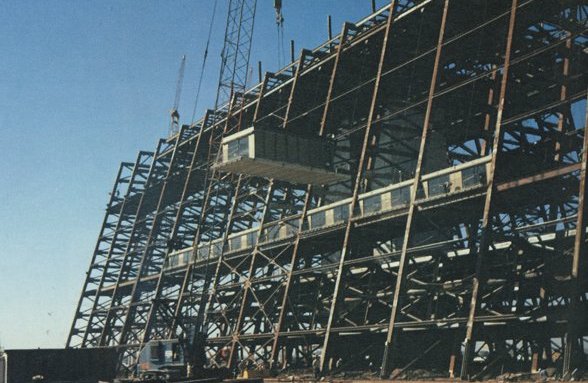
This was never accurate. First off, once the rooms were “slipped” into place, they were sealed in place and the plumbing connected, making it impossible to easily “remove” them. Beyond that, shortly after opening, both hotels began receiving guest complaints about a “moldy” smell. Eventually, the company discovered that mold and debris had “collected in the spaces between each room” during the construction process. The spaces were cleaned, and all future construction at both hotels have used conventional methods.
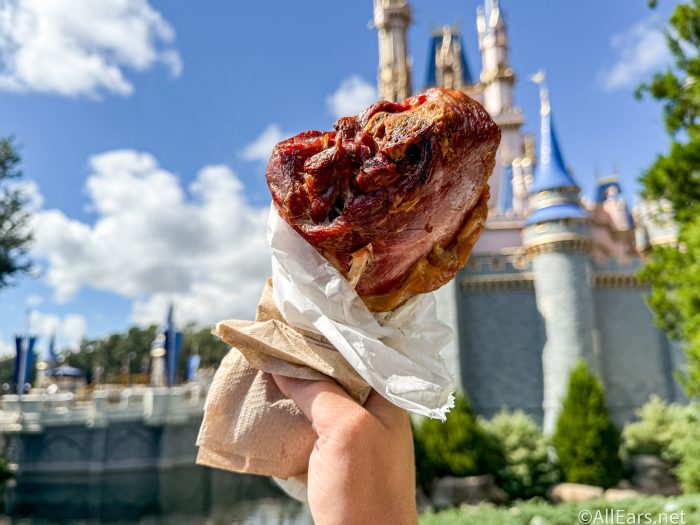
Turkey Legs are NOT Made from Emu Meat
Somehow, a rumor has spread online that Disney’s well-known giant Turkey Legs were actually made of emu meat. Yes, really. Disney has confirmed on the record that this isn’t true, and that the snacks were actually made of turkey.
Disney Doesn’t Prevent People from Being Declared Dead on Their Property
There’s a long-running myth that Disney doesn’t allow anyone to officially “die” on property, and will instead insist that they are taken off property before the time of death is pronounced. This one is easily disproven, as there are, unfortunately, public records of deaths at various Disney properties.
Disney Doesn’t Have a Weather Control Dome
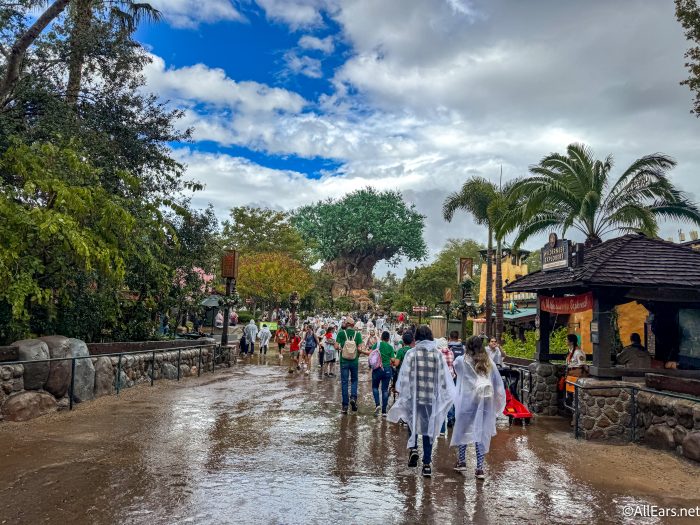
Nope, not even close. If Disney could control the weather, do you really think that they’d make it rain every afternoon during the summer season?
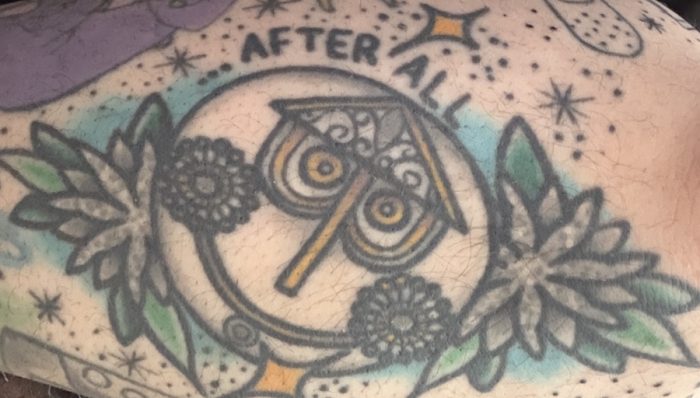
Guests Don’t Need to Cover Their Tattoos (Unless They’re Deemed Offensive)
So, despite a belief amongst some, Disney has never required guests to cover their tattoos, UNLESS they are deemed offensive. This myth likely stems from the fact that Disney DID have a longtime policy of requiring Cast Members to hide their tattoos. Now, speaking of offensive…
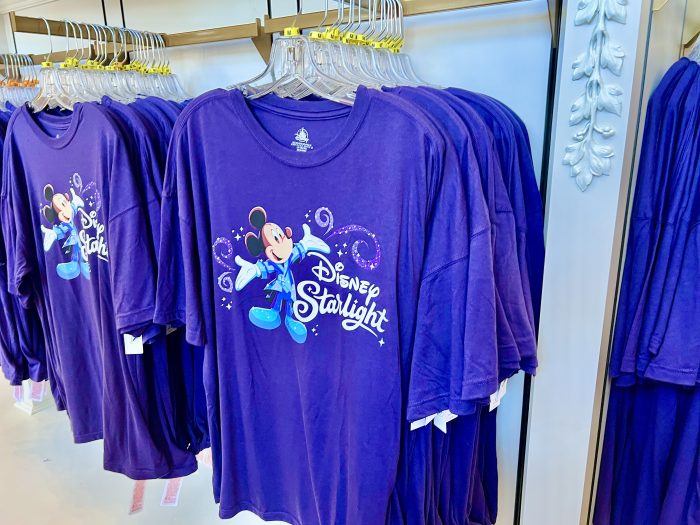
Being “Dress-Coded” Won’t Get Someone Free Merchandise
A few years ago, a viral “fact” spread online that if someone were to wear offensive clothing to a Disney Park, they would be “dress coded” and given a free shirt to change into. In turn, people believed they could use it as a way to get “free” merchandise. This was never true across the board — and certainly isn’t now, as Disney will instead simply not let them in.
The Brown Bricks in Liberty Square Aren’t a “River of Poop”
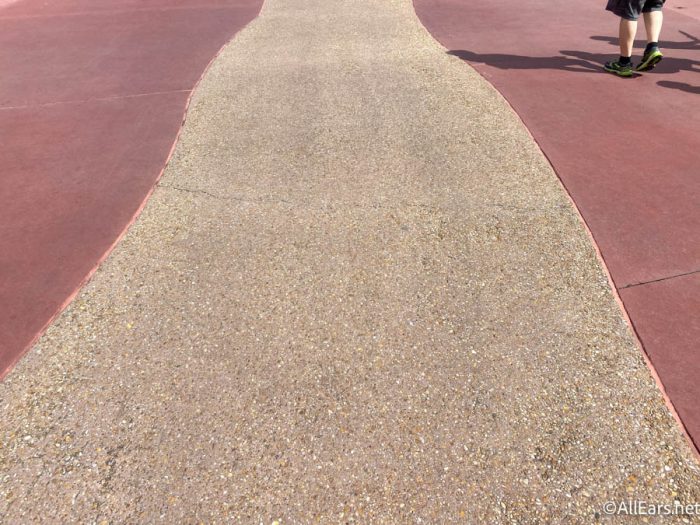
For several decades now, a persistent story — perpetuated at times by Cast Members and tour guides — is that the brown sections of pavement in the Magic Kingdom’s Liberty Square were meant to emulate a “river of poop” as colonial Americans would supposedly dump their chamber pots in the middle of the street. The truth is much less interesting. The section of walkway now described as the poop river was actually cobblestone or flagstone paving at the time of the park’s opening in 1971.
However, it was really hard on the parade floats and on the performers in the parades, so in the early 90s, it was replaced with a very fine pebble, like a flatter, smoother representation of cobblestone or flagstone. As per most sources, it was not the original intention to replicate feces being thrown into the street when the land was designed and highly unlikely it ever became the intention due to the historical inaccuracy of the poop, running down the middle of the road, and the fact that the poop takes up the entire walkway as that strip of pebble widens at the entrance to frontier land.

Furthermore, a “river of poop” in that area of the square wouldn’t even be historically accurate. Most colonial homes and businesses used chamber pots, which were emptied into back alleys, gutters near curbs, or privy pits (outhouses) behind the home. People sometimes threw waste into the street, but they did it from upper windows or porches, and it ran into side gutters, not down the center.
While some Imagineering sources have still claimed that the “river of poop” was intentional, we’re ruling this myth as a case of fan/cast lore evolving into “accepted canon”, not because it was designed that way, but because it sounded plausible, fit the theme, and stuck.
No One Ever Sued Disney for an “Injury” on Seas’ Hydrolator
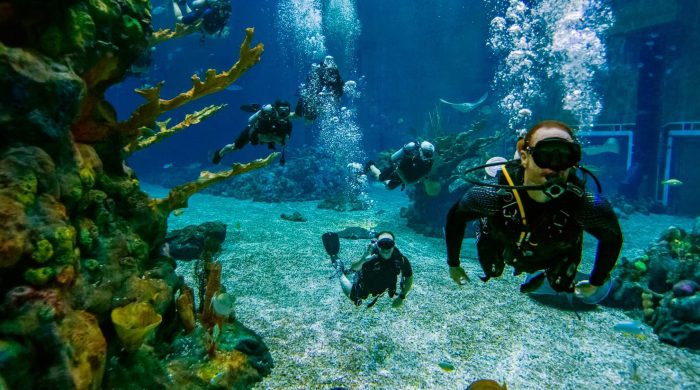
Before becoming The Seas With Nemo & Friends, The Living Seas was themed to be the underwater Sea Base Alpha, which guests would access by “riding” the elevator-like Hydrolater that traveled to the bottom of the sea. In actuality, the Hydrolator was a stationary room that used moving walls and other effects to appear as if it was descending.
According to a popular urban legend, a guest sued Disney for damages due to injuries suffered during the Hydrolator’s “descent.” As the story goes, Disney lawyers brought the judge and jury to the pavilion and showed them that the room didn’t actually move, leading to the lawsuit being thrown out.
It’s a great story and amusing anecdote, but it seems to have no record in fact. There’s no evidence of the lawsuit ever actually happening (and even if it did, the “field trip” element is completely contrary to how legal proceedings work). The genesis of the story seems to come from a remark made by Imagineering Legend Marty Sklar during a 1987 magazine interview. At the time, Sklar was quoted as saying, “It’s probably apocryphal… but there’s a story going around that somebody was going to sue Disney for damage to his eardrums because of the change in pressure when he went ‘down’ in the Hydrolator. I can’t wait for that one.”

While there’s no truth to the vast majority of these theme park urban legends, the fact that they’ve remained in the public consciousness is a testament to the staying power of Disney World. Stay tuned to AllEars for more on Disney history.
4 Wildly Fake Rumors About EPCOT
What Disney World urban legends have you believed over the years? Let us know in the comments below.












As a cast member in the 70s in operation and worked on Space Mountain, the “decapitation” on Space Mountain, it is a partial truth, and not a complete myth. At the time I worked at Space Mountain, and saw the incident report from the night before when I cam in the next morning and I had a close friend working that night and told the story.
The original ride trains had waist-held seatbelts, not lap bars that are used now. Fully loaded, two people to a seat, with two sets of waist seatbelts in each seat. There were two seats in each car, and two cars to each vehicle. Each vehicle could fit 8 people fully loaded and all held in by waist seatbelts only. They were a lot faster then because of the two extra people per train and the trains were heavier as well.
The waist seatbelts were normal seatbelts you find in cars today without the shoulder harness, didn’t lock, and could easily be unclipped during the ride. No sane person would do it. Since the ride was a lot faster than and the seatbelt literally kept you from falling out.
One of the biggest problems on Grad Night was drunk high school kids. The drinking age was only 18 years old then, and Grad Night was full of drunk or messed up on something high schoolers.
One Grad Night, an intoxicated high school kid who was riding alone in the two-person seat decided to take his seatbelt off and ride standing up. He made it past the second turn when he hit one of the overhead beams and was thrown from the car.
An alpha unit was called, but the kid was dead on impact. While technically he was not decapitated, he might as well have been because there wasn’t much left.
So while the kid was not decapitated, he did die on the ride from head trauma from standing up and hitting a beam on the ride.
As a cast member in the 70s in operation and worked on Space Mountain, the “decapitation” on Space Mountain, it is a partial truth, and not a complete myth. At the time I worked at Space Mountain, and saw the incident report from the night before when I cam in the next morning and I had a close friend working that night and told the story.
The original ride trains had waist-held seatbelts, not lap bars that are used now. Fully loaded, two people to a seat, with two sets of waist seatbelts in each seat. There were two seats in each car, and two cars to each vehicle. Each vehicle could fit 8 people fully loaded and all held in by waist seatbelts only. They were a lot faster then because of the two extra people per train and the trains were heavier as well.
The waist seatbelts were normal seatbelts you find in cars today without the shoulder harness, didn’t lock, and could easily be unclipped during the ride. No sane person would do it. Since the ride was a lot faster than and the seatbelt literally kept you from falling out.
One of the biggest problems on Grad Night was drunk high school kids. The drinking age was only 18 years old then, and Grad Night was full of drunk or messed up on something high schoolers.
One Grad Night, an intoxicated high school kid who was riding alone in the two-person seat decided to take his seatbelt off and ride standing up. He made it past the second turn when he hit one of the overhead beams and was thrown from the car.
An alpha unit was called, but the kid was dead on impact. While technically he was not decapitated, he might as well have been because there wasn’t much left.
So while the kid was not decapitated, he did die on the ride from head trauma from standing up and hitting a beam on the ride.