

For over 75 years, the artists at Walt Disney Imagineering have crafted the immersive worlds of Disney’s theme parks. From the whimsy of Mary Blair and the grandiose design of Tony Baxter to the humorous tableaus of Marc Davis and the earth and universe-spanning environments of Joe Rohde, these talented figures have crafted the themed entertainment business we know today.
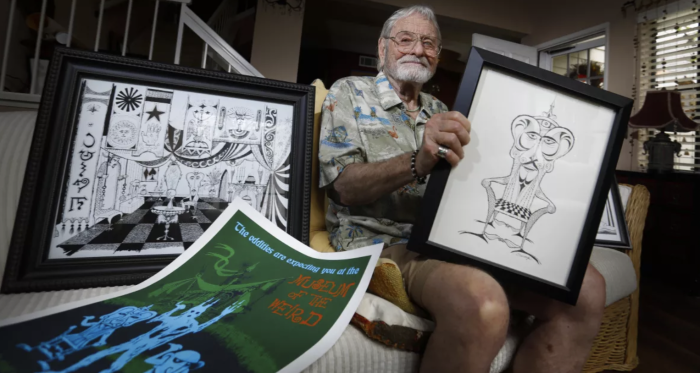
While there have been hundreds of Imagineers over the last seven decades, few brought as unique a perspective — or personality — as Rolly Crump!
Born Roland Fargo Crump in Alhambra, California, in 1930. Crump, who went by Rolly, developed a love affair with animation at an early age thanks to Disney’s Silly Symphonies Cartoons. Crump turned his passion into a career when he began working at the Walt Disney Studios in his early 20s as an inbetweener.
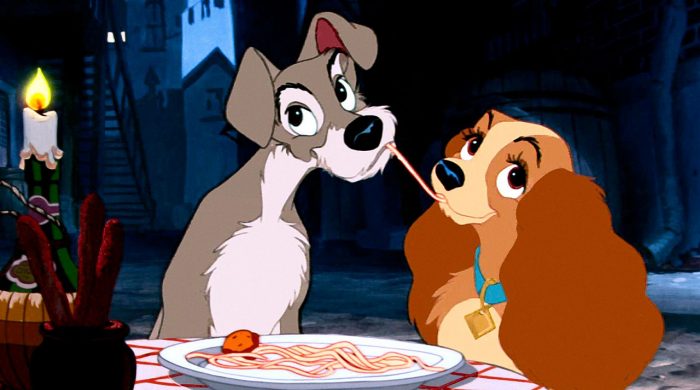
He eventually ascended to the role of assistant animator on movies including Peter Pan, Lady and the Tramp, Sleeping Beauty, and One Hundred and One Dalmatians. Like many Disney animators of the time, Crump was plucked by Walt Disney to work at WED Enterprises — the precursor to Imagineering — in the late 1950s.
During a 2018 interview with the LA Times, Crump spoke about his early years at Imagineering. “All I did was absorb. I watched how everyone reacted to Walt, and the strengths and weaknesses of the different guys. I studied Walt Disney and what it was like to work with him, but I wasn’t participating until after three years. That’s when I started talking. I learned that if you show something to Walt, it has to be something he hasn’t seen before.”

While he may have initially remained quiet early on, by the early 1960s Crump — who was about 20 years younger and much more of a “beatnick” than the rest of his colleagues — began designing some of the most unique and memorable projects of the period.
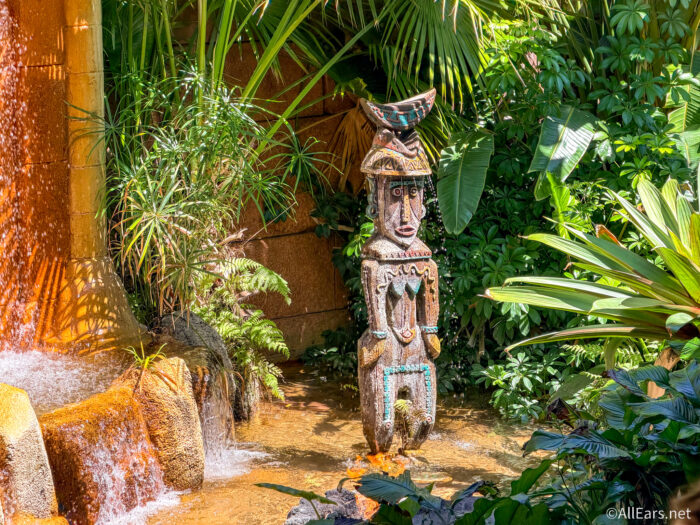
During the development of the Enchanted Tiki Room, Crump was tasked by Walt Disney to develop “tikis that talk to people while they stand in line” for the show’s queue. Running with the idea, Rolly created the tiki gods and goddesses — Pele, a Fire Goddess, and Hina Kaluua, a Mistress of Rain. However, when Crump brought the designs to Imagineering’s model shop, master sculptor Blaine Gibson told Crump that they didn’t have time to sculpt the figures.
After Crump lamented that he had been given the assignment directly from Walt, Gibson bluntly told him to sculpt them himself. Crump explained the situation years later, saying, “Everything was so naive. You just did what it took to do it. I used a plastic fork from the commissary to sculpt the clay on the tikis that ended up in Disneyland. That’s beautiful.”
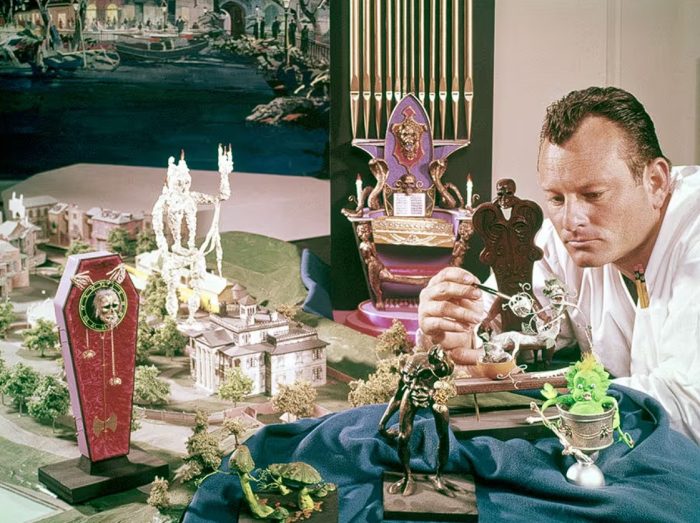
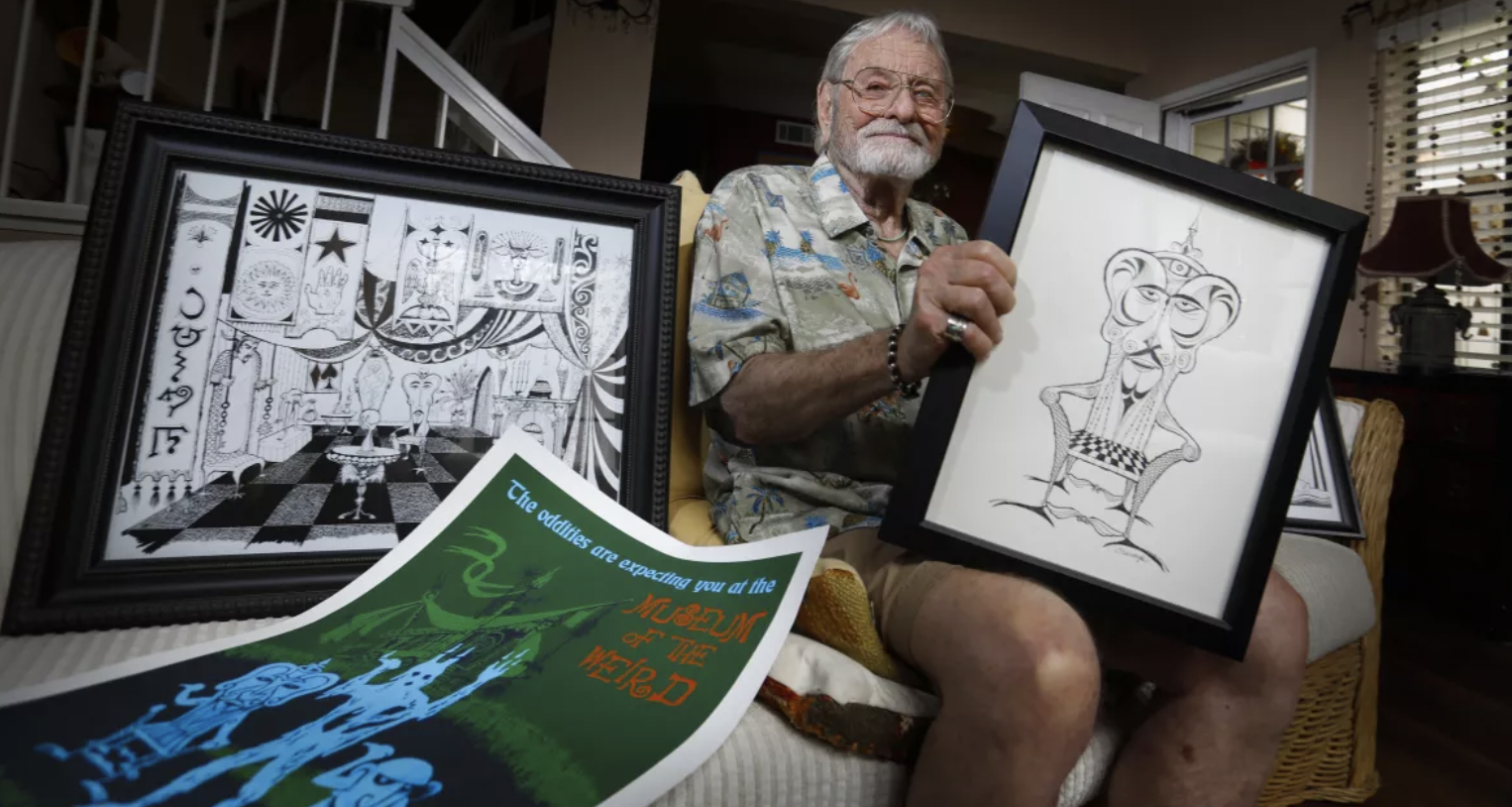
During the same period, Crump also worked on the Museum of the Weird concept, a walkthrough attraction that would have featured strange artifacts – including a coffin that doubled as a grandfather clock, a doorway made of human bones, a woman dubbed the “mistress of evil”, and a man-eating plant – which was a precursor to The Haunted Mansion.
For years, Crump would proudly share Walt’s reaction to his work, saying that the morning after he’s presented the concept, he clocked in to his office only to find Disney in his chair. According to the Imagineer, “The first thing he said to me was, ‘You son of a (BLEEP). All that stuff you showed me yesterday? I couldn’t sleep.’”
Arguably, Crump’s magnum opus of the period was his work on “it’s a small world” at the 1964 World’s Fair. After being given the job of supervising the construction of the attraction, Crump would say of his work on the attraction, I knew it was only going to work if everything looked like Mary Blair.
As far as I was concerned, this is a Mary Blair ride.” All of his designs, including the legendary Tower of the Four Winds, which sat at its entrance to the ride at the World’s Fair, took heavy influence from Blair’s style, while giving everything a “Rolly Twist.”
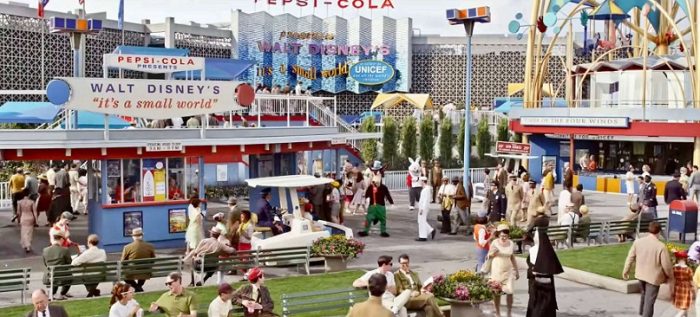
When the ride was transferred across the country from New York to Disneyland, Crump was tasked with crafting a facade for the attraction. Once again, channeling the whimsy of Mary Blair combined with his own increasingly psychedelic design sensibilities to create a colorful tableau with a smiling clock-face as its centerpiece.
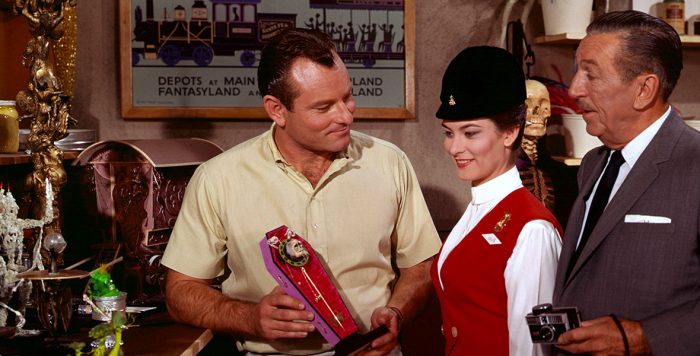
When Crump presented the design to Richard “Dick” Irvine, the Disney executive was not a fan and planned to ask Marc Davis to redesign it. The ever-rebellious Imagineer went above Irvine’s head directly to Walt Disney.
According to Crump, “I showed the clock to Walt and Walt said, ‘That’s good.’ Dick said, ‘It doesn’t have that European flavor. I’m having Marc redesign it.’ Walt looked Dick straight in the eye and said, ‘I like it the way it is.’ The old man backed me on so many things. That’s why so many people didn’t like me.” While the clock design would go on to become one of Disneyland’s most iconic and enduring symbols, the fight over its creation was a harbinger of Crump’s later contentious relationship with the company.

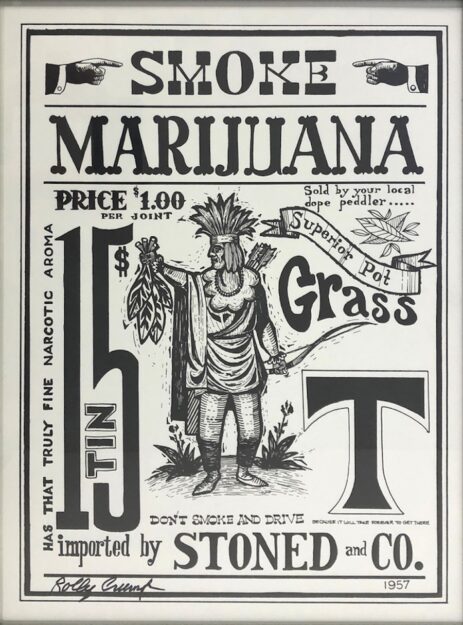
Following the 1966 death of Walt Disney, Crump began to feel like more and more of an outsider at Disney. At the same time, the company’s other Imagineers continued to chafe at his countercultural attitude and outside projects, including band logos, Ernie Ball guitar string packaging, and psychedelic posters that celebrated illicit drugs as if they were circus attractions, which he referred to as his “dopers.”
In fact, according to Imagineer Tom Morris, Crump kept a full-size “smoke marijuana” poster on his door at Imagineering, which likely didn’t go over well with the more… ahem… straightlaced members of Imagineering.
Despite these issues, Crump did contribute to the design of Walt Disney World in the late 1960s and early 1970s. However, according to Crump, this was his breaking point. He explained decades later, “ helped design the rides at Disney World, but we lost the charm, you can’t have someone in charge that doesn’t understand the look that Walt had — the art was done by people in animation, and animation background painters. The whole thing fell apart. I quit.”
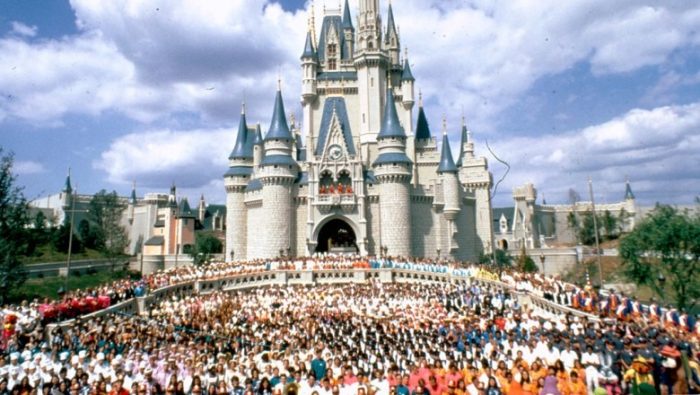
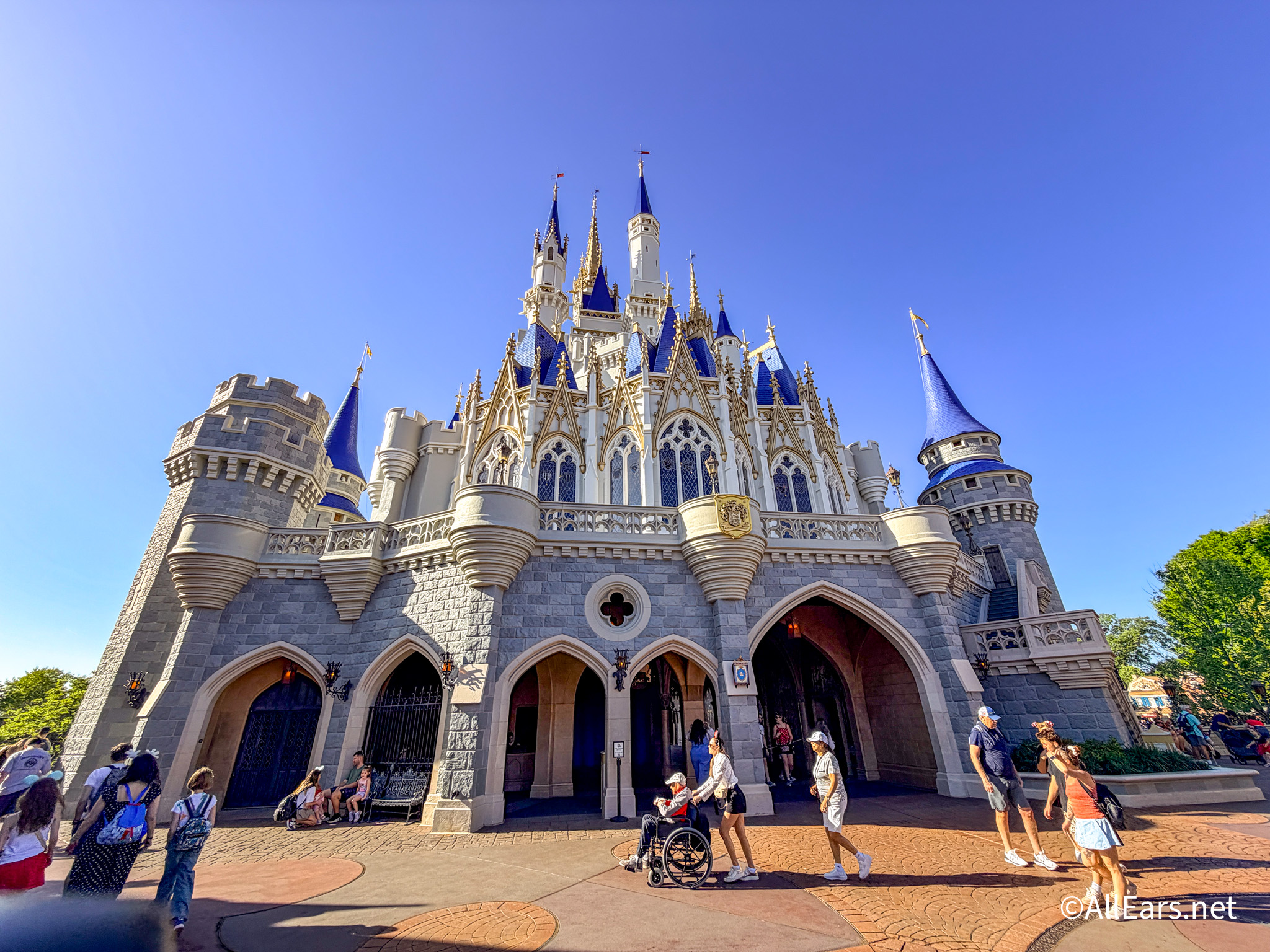
In the same 2018 interview, Crump expounded on his feelings about the Magic Kingdom, bluntly expressing negative opinions of the Magic Kingdom. “It had no feeling of Disney. It was a lot of good architectural pieces, but I looked at that and thought to myself, ‘What the hell is going on here?’ Disneyland has charm. Disneyland freaking hugs you and kisses you. When you go to Disney World, and you see the castle, you want to genuflect … and that disturbed me.”

Following his first departure from Imagineering in the early 1970s, Crump would spend the next 20 years splitting time between working with Disney on a consultant basis – including working on EPCOT Center’s The Land and Wonders of Life Pavilions – and outside projects, including Knott’s Bear-y Tales at Knott’s Berry Farm and other tourist attractions. He returned to Disney in the early 1990s, working as an executive designer at EPCOT until retiring in 1996.
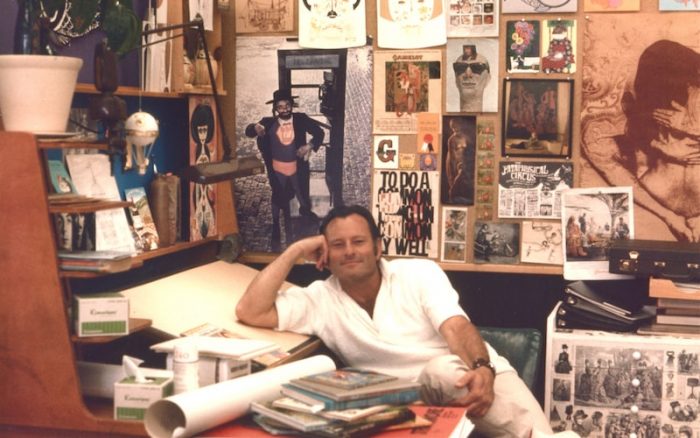
In his later years, Crump maintained a strained relationship with Disney, perhaps best exemplified by his reaction to being named a Disney Legend in 2004. Upon learning of his award, Crump dismissed it as he believed the award had become more about rewarding celebrity as opposed to those who shaped Disney history. However, after attending the ceremony at the urging of longtime Imagineer Marty Sklar and his son Chris (who had become an Imagineer in his own right), Crump proceeded to become emotional on stage.
In addition to being named a Disney Legend, Crump has also received the honor of a window on Main Street in Disneyland, of which he once said, “When I worked at the park, I’d see the names on the windows, and they were all gods. They were all old guys. Finally, one day, I became an old guy. That was a very special thing”…
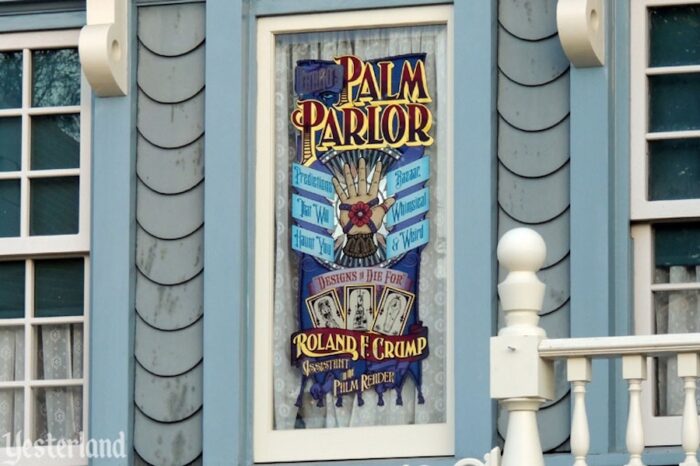
… and is the subject of a perfectly on-brand tribute in the Haunted Mansion Parlor on the Disney Treasure.

Crump would retain his blunt honesty until the final years of his life, often expressing negative views on the modern state of Disneyland, while at the same time celebrating the park and his role in its creation, saying in one of his final interviews, “I was part of all this stuff that had never been done before. I’m proud of that. I feel real good about that. I knew what we were doing was very special, and I knew that we were the best.”

Rolly Crump passed away at the age of 93 in 2023, and is regarded as one of Disney’s most legendary Imagineers, creating some of the company’s most iconic attractions, all the while maintaining a unique — somewhat rebellious — attitude about life both inside and outside the Mouse House. Stay tuned to AllEars for more deep dives on Imagineering history.
”it’s a small world” Is My FAVORITE Disney Ride…Yes, Really
What’s your favorite Rolly Crump creation? Let us know in the comments below.








Trending Now
You can't miss this new HOKA drop!
There's a NEW snack in the Wizarding World in Universal Orlando.
Picky eaters are going to LOVE these four new snacks in EPCOT!
We just found your new favorite Disney kitchen essentials!
UK and Ireland visitors have a huge Disney World offer for 2027!
Pooh fans, this is your warning: Amazon still has a bunch of Winnie the Pooh...
A new lawsuit alleges a guest was bitten by bed bugs in Disney World.
A popular Disneyland show is coming to Disney World, and know we know the showtimes!
A new Disney partnership seeks to reimagine banking as we know it!
"Paying for a room upgrade at a Disney resort sounds like a no-brainer until you...
These Disney World essentials are on sale on Amazon!
Some rides experienced closures in Disney World yesterday.
These are the prettiest Loungefly Mini Backpacks we've ever seen!
Universal CONFIRMS Photo Validation for Epic Universe BUT It's More Complicated Than That!
We're headed to the Hyatt Regency for International Flamingo Day!
The best travel essentials on Amazon RIGHT NOW!
Want to watch 'Star Wars' in chronological order? Start here!
This hotel near Disney Springs is a great option for your next Disney World trip!
The story of Disney's most unique Imagineer.
We're telling you the TRUTH about Disney World's Good Neighbor hotels.