ANIMAL KINGDOM
TOURING
- Attraction Seating
Photo Gallery - Basic Services
- Calendar of Events
- Character Meet and
Greet FAQ - Extra Magic Hour
- FASTPASS
- Fun Facts
- Guide Map
- Kennels
- Operating Hours
- Overlooked Attractions
- Reader Tips
- Rehabs and Closures
- Restaurant Photo Gallery
- Ride Restrictions
- Smoking Policy
- Special Needs Travelers
- Animal Kingdom
in a Wheelchair - Ticket FAQS
AT A GLANCE...
AVATAR
Construction Begins?
- Dinosaur
- The Boneyard
- Dino-Sue
- Chester and Hester's
Dino-Rama
--Primeval Whirl
--Triceratop Spin - Finding Nemo: The Musical
ENTERTAINMENT
IN-DEPTH BLOGS
- Chester and Hester's DinoRama
- Dinoland USA - Part 1 - Part 2
- Discovery Island Shops
- Expedition Everest Part 1 - Part 2
- Everest Temple
- Lights at Animal Kingdom
- Pangani Forest Exploration Trail
- Pwani View Guest House
- Rafiki's Planet Watch
- Royal Couple of Anandapur
- Seats in Animal Kingdom
Special Reports
- Animal Kingdom Youngsters Part 1 - Part 2 - Part 3
- Asian Tigers
- Nile Hippopotamus
- Okapi
- West African Crowned Crane
- Animal Kingdom Turns 15
- Animal Kingdom Turns 10
- Animal Kingdom Turns 5
- Kaleidoscopic Kingdoms
OTHER WALT DISNEY WORLD
THEME PARKS
OTHER DISNEY THEME
PARKS
Spoonbills at Animal Kingdom
There are at least 2 species of Spoonbills residing at Disney's Animal Kingdom; the Rosea Spoonbill and the African Spoonbill. Both can be seen on the Oasis in the front of the park.
Rosea Spoonbill:
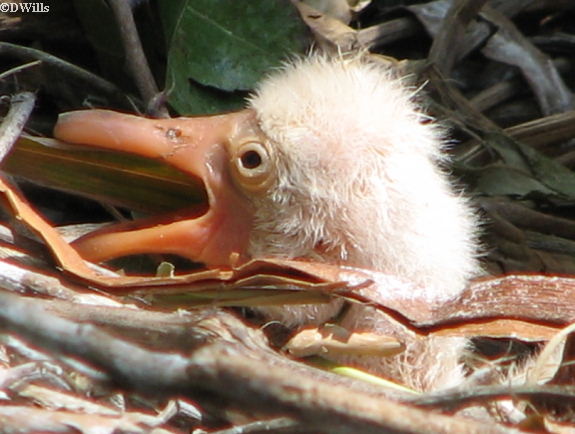
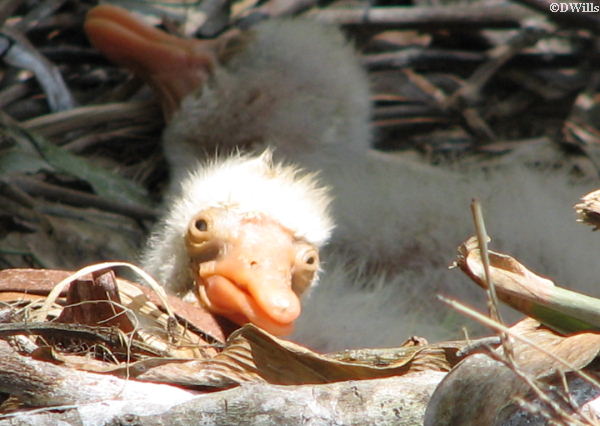
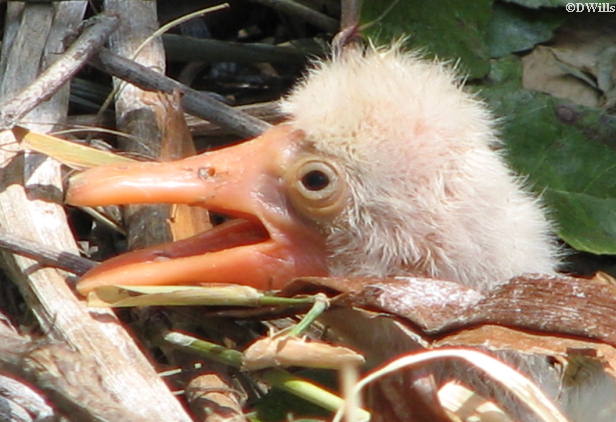
In April, 2007, babies were born to at least 2 African Spoonbill females in full view of visitors at Animal Kingdom.
African Spoonbills:
|
The babies on the left were approximatly 1-2 days old. The ones on the right were believed to be less than 24 hours old |
|
According to the Field Guide to Disney's Animal Kingdom Theme Park: "The African Spoonbill, is a wading bird easily identified by its spoon-shaped bill, and its pink, almost red legs. In the wild, African Spoonbills travel in large groups, sometimes more than 250 pairs, although they feed in smaller numbers (about 10 birds). As spoonbills wade in shallow waters, they "sweep" their bill from side to side, straining small items from the water and snapping at small fish and frogs.